
The Tote Manifesto
A bag big enough for your life, small enough to look deliberate.
Oct 14, 2026 — 3 min read
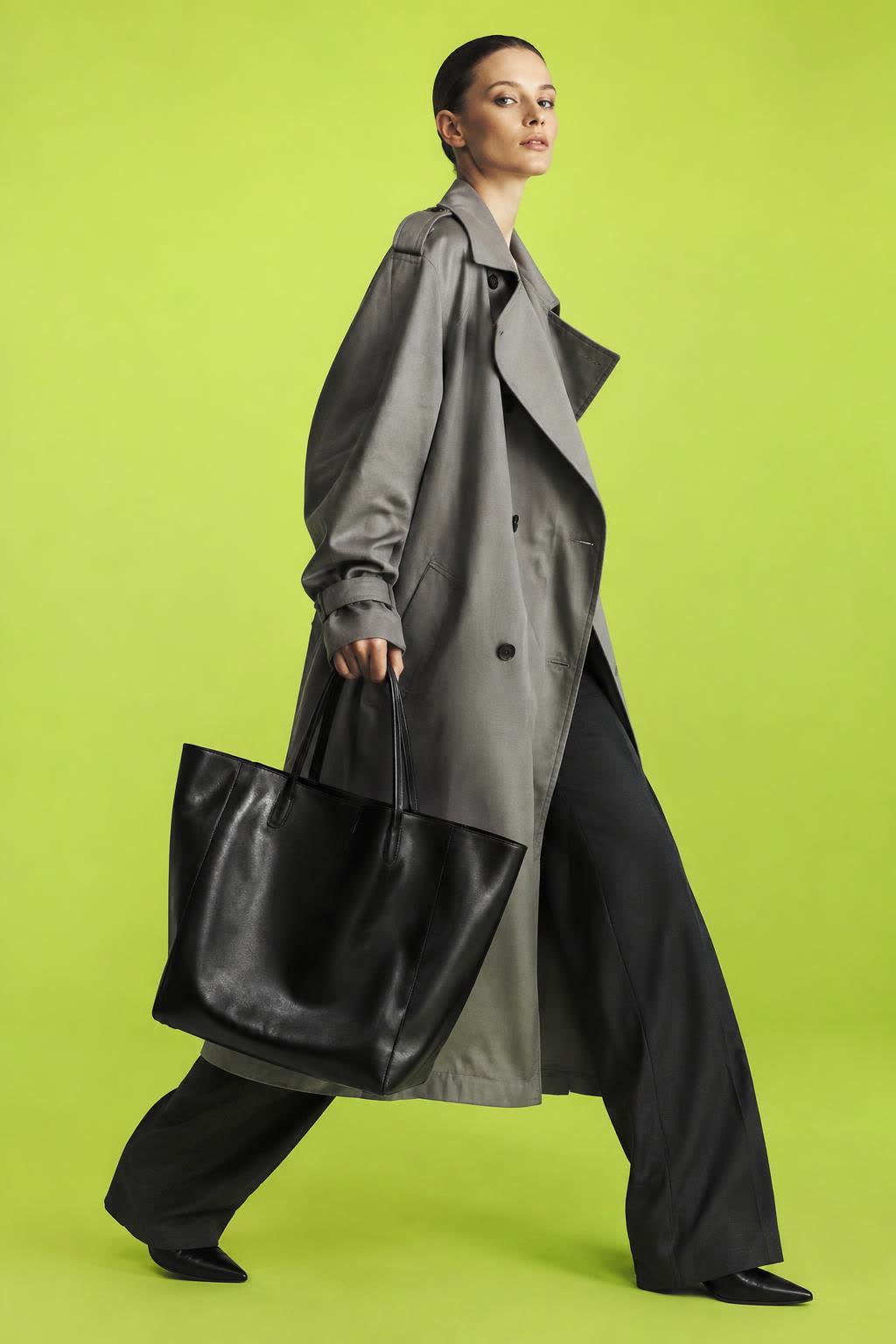
The everyday leather tote should earn its space, not merely occupy it. We want room for the working day without the proportions of an overnight bag: a handbag that takes a notebook, lunch and the necessary cables, then still looks considered beside a restaurant chair. Bigger is not automatically more useful. In The Handbag Collective’s $100–$300 edit, the strongest purchase is the one whose dimensions suit your actual routine. Start with what you carry on an ordinary Tuesday, not the imaginary life in which you transport everything.
Before shopping, gather those daily essentials and measure the largest item, including its case. A tote described as laptop-friendly may still have an opening too narrow for your machine, so compare internal measurements where provided and check the return policy before ordering. Depth deserves particular attention: a very deep bag encourages stacking, rummaging and forgotten receipts. Look for enough width to place essentials alongside one another. If your commute involves crowded trains, favour a shape that sits close to your body rather than projecting into everyone else’s journey.
Straps are the difference between a tote you admire and one you use. Try the bag over your thickest coat, not just a T-shirt, and check that you can reach inside without taking it off. Narrow straps can feel uncomfortable under a heavy load; broader ones may distribute it more comfortably, but test rather than assume. Inspect the attachment points for tidy stitching and visible reinforcement. Carry the tote with a realistic load, with the retailer’s permission, and walk around. Slipping straps will not become charming after purchase.
The base needs equal scrutiny. A defined bottom can keep lunch upright and stop the bag collapsing into a leather puddle, but rigid construction may add weight. Check the empty weight if it is listed; otherwise ask, or compare bags in person. Your shoulders carry the handbag as well as its contents. Small feet can reduce contact with some surfaces, but they do not make careless placement sensible. For an everyday wardrobe, choose moderate structure: crisp enough with tailored trousers, relaxed enough with straight jeans and a knitted polo.
Inside, resist the promise that more compartments mean better organisation. One secure pocket for valuables, an accessible place for keys and enough uninterrupted space for larger items will suit many routines. Too many fixed sections can dictate what fits. A removable pouch is useful for moving essentials between handbags, provided it does not consume half the tote. Examine the closure, too. An open top offers quick access; a zip provides more coverage. For public transport, prioritise a closure you will actually fasten, and check that it works smoothly when the bag is filled.
Colour should serve your clothes, not an abstract list of timeless essentials. Black sharpens charcoal tailoring and white denim; dark brown brings warmth to navy, cream and faded blue. Burgundy can supply interest without demanding an entirely new wardrobe. Before buying, read the maker’s description of the leather and its finish, then inspect corners, edges and handle joins. Care should follow the manufacturer’s guidance: test any recommended product discreetly, avoid direct heat when drying, and store the tote lightly supported. Do not assume every leather finish tolerates the same treatment.
Spend within the $100–$300 range on the features you will notice daily, rather than a logo you will stop seeing. Compare stitching, lining, closure and carrying comfort before chasing a discount. Cost per wear is useful only when the wear is plausible: a $240 tote carried 480 times costs 50 cents per outing, before care or repairs. A cheaper bag left in the wardrobe is no bargain. Buy the size you need, leave some breathing room inside, and let a deliberate leather tote make getting dressed easier.
The Handbag Collective curates independently. When you buy through partner links, we may earn a commission.